
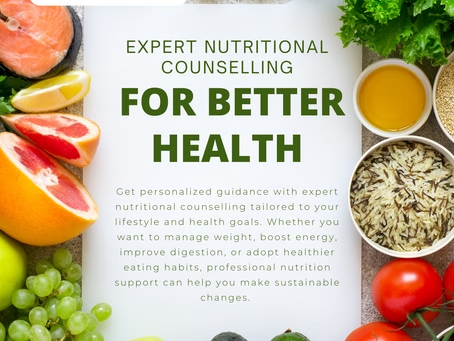
A cancer diagnosis changes life overnight. Between medical appointments, treatments, and emotional stress, one critical aspect of care often doesn’t receive the attention it deserves nutrition.
Yet, for individuals undergoing treatment, especially chemotherapy, what you eat can directly influence how you feel, how well your body copes, and how effectively you recover.
Many patients and caregivers today are actively searching for terms like “nutritionist for cancer near me” or “nutrition counseling near me.” This reflects a growing awareness that food is not just fuel it is a vital part of therapy.
In this article, we take a closer look at how nutrition supports cancer care, what a proper diet during chemotherapy looks like, and why working with certified nutrition specialists can make a meaningful difference.
The Overlooked Role of Nutrition in Cancer Care
Cancer treatment places an immense burden on the body. Chemotherapy, in particular, targets rapidly dividing cells—not just cancer cells, but also healthy ones in the digestive tract, immune system, and hair follicles.
This is why many patients experience:
- Loss of appetite
- Nausea and vomiting
- Fatigue and weakness
- Changes in taste and smell
- Digestive discomfort
These side effects often lead to reduced food intake, which can quickly result in nutritional deficiencies and muscle loss.
Proper nutrition helps counter these effects by:
- Maintaining strength and energy levels
- Supporting immune function
- Reducing treatment-related complications
- Improving the body’s ability to heal and recover
In clinical practice, patients who receive structured nutrition support often tolerate treatment better and report an improved quality of life.
Why You Need a Specialized Nutritionist for Cancer Care
Nutrition during cancer treatment is not the same as general healthy eating. It is highly individualized and must adapt continuously based on treatment phases and symptoms.
This is where certified nutrition specialists with experience in oncology become essential.
What Makes Cancer Nutrition Different?
Unlike standard diet plans, cancer nutrition focuses on:
- Managing treatment side effects through food
- Preventing weight and muscle loss
- Ensuring adequate calorie and protein intake
- Adjusting diet based on lab values and medical conditions
A qualified nutritionist evaluates your unique situation—your diagnosis, treatment plan, symptoms, and lifestyle—and builds a personalized, flexible nutrition strategy.
This is why searching for “nutritionist for cancer near me” is more than convenience—it’s about access to tailored care.
Understanding the Body’s Needs During Chemotherapy
Chemotherapy increases the body’s demand for certain nutrients while simultaneously making it harder to eat.
1. Protein: The Foundation of Recovery
Protein plays a central role in:
- Repairing damaged tissues
- Preserving muscle mass
- Supporting immune defenses
During chemotherapy, protein needs are significantly higher than usual.
Good sources include:
- Lentils, beans, and legumes
- Dairy products like paneer and curd
- Eggs, fish, and lean meats
- Nuts and seeds
2. Energy Through Carbohydrates
Fatigue is one of the most common symptoms during treatment. Complex carbohydrates provide sustained energy and help prevent weakness.
Include:
- Whole grains like oats and brown rice
- Fruits and vegetables
3. Healthy Fats for Calorie Support
When appetite is low, calorie-dense foods become important. Healthy fats help meet energy needs without requiring large portions.
Sources include:
- Nuts and seeds
- Cold-pressed oils
- Avocados
4. Micronutrients for Immunity
Vitamins and minerals support healing, immunity, and overall health. A varied diet rich in colorful fruits and vegetables usually provides sufficient amounts.
Supplementation should only be considered under professional guidance.
5. Hydration: Often Underrated
Dehydration can worsen fatigue, dizziness, and digestive issues.
Regular intake of:
- Water
- Soups and broths
- Coconut water
can significantly improve how a patient feels day-to-day.
What Does an Ideal Diet During Chemotherapy Look Like?
There is no universal “chemotherapy diet,” but there are practical principles that work across most cases.
Eat Small, Frequent Meals
Large meals can feel overwhelming. Instead:
- Aim for 5–6 smaller meals throughout the day
- Focus on consistency rather than quantity
Prioritize Easy-to-Digest Foods
Simple, home-cooked meals are often best tolerated These reduce strain on the digestive system while still providing nourishment.
Make Every Bite Count
When appetite is low, nutrient density matters.
Add:
- Protein to every meal
- Healthy fats for extra calories
- Smoothies or shakes when solid food is difficult
Adapt to Symptoms
One of the most important aspects of cancer nutrition is flexibility.
- For nausea: Choose bland, low-fat foods
- For mouth sores: Opt for soft, non-spicy meals
- For constipation: Increase fiber and fluids
- For diarrhea: Focus on low-fiber, binding foods
This dynamic approach is exactly what nutrition counseling near you can provide real-time adjustments based on how you feel.
Foods to Limit or Avoid
While there are no overly restrictive rules, certain foods are best minimized during treatment:
- Raw or undercooked foods (infection risk)
- Highly processed and packaged items
- Fried and greasy foods
- Excess sugar
- Unverified supplements
It’s especially important to avoid self-prescribing supplements, as some may interfere with treatment.
The Real Value of Nutrition Counseling
Many patients attempt to manage diet changes on their own, but professional guidance can significantly improve outcomes.
How Nutrition Counseling Helps:
- Provides clarity during a confusing time
- Reduces trial-and-error with food choices
- Improves dietary consistency
- Offers emotional reassurance
More importantly, it ensures that nutrition evolves alongside treatment—something generic diet plans cannot achieve.
Working with certified nutrition specialists gives patients a structured, science-backed approach that aligns with their medical care.
Choosing the Right Nutrition Expert
If you are considering professional support, here are a few things to look for:
- Relevant qualifications in nutrition or dietetics
- Experience working with cancer patients
- A personalized, non-restrictive approach
- Willingness to collaborate with your medical team
The right nutritionist doesn’t just prescribe a diet—they become a partner in your recovery journey.
A Practical Day of Eating During Chemotherapy
While individual plans vary, a typical day may look like this:
Morning:
Warm water with soaked nuts
Breakfast:
Oats or vegetable upma with a protein source
Mid-morning:
Fresh fruit or smoothie
Lunch:
Dal, rice or roti, and cooked vegetables
Evening snack:
Soup or light protein snack
Dinner:
Soft, balanced meal like khichdi with added protein
Before bed:
A light drink such as turmeric milk (if suitable)
The goal is not perfection—but consistency and nourishment.
Life Beyond Treatment: Continuing the Role of Nutrition
Even after chemotherapy ends, nutrition continues to play a critical role.
A balanced, sustainable diet helps:
- Rebuild strength
- Maintain a healthy weight
- Support long-term recovery
This phase often shifts focus from treatment support to overall wellness and prevention.
Final Thoughts
Cancer treatment is complex, but nutrition is one area where patients can regain a sense of control.
The right diet won’t replace medical treatment—but it will support the body, improve resilience, and enhance recovery.
If you or a loved one is navigating this journey, seeking guidance from a qualified professional is one of the most valuable steps you can take.
Searching for a “nutritionist for cancer near me” or exploring nutrition counseling near you could be the beginning of a more supported, informed, and empowered recovery process